Quick answer: A Sunday reset is a short meeting with your future self — not an attempt to control every hour of the coming week. In about 30 minutes, you can clear a few avoidable surprises and protect space for what actually matters, as long as you stop planning before it turns into procrastination. Think of a Sunday reset less like a productivity system and more like tidying the entryway before guests arrive — a small act of care for the version of you who'll walk through the week ahead. It doesn't need to be elaborate. It just needs to happen regularly enough to matter.
Reset in Five Small Passes
Work through these five steps in order, and let yourself stop once they're done — a reset that sprawls into an hour has stopped being restful.
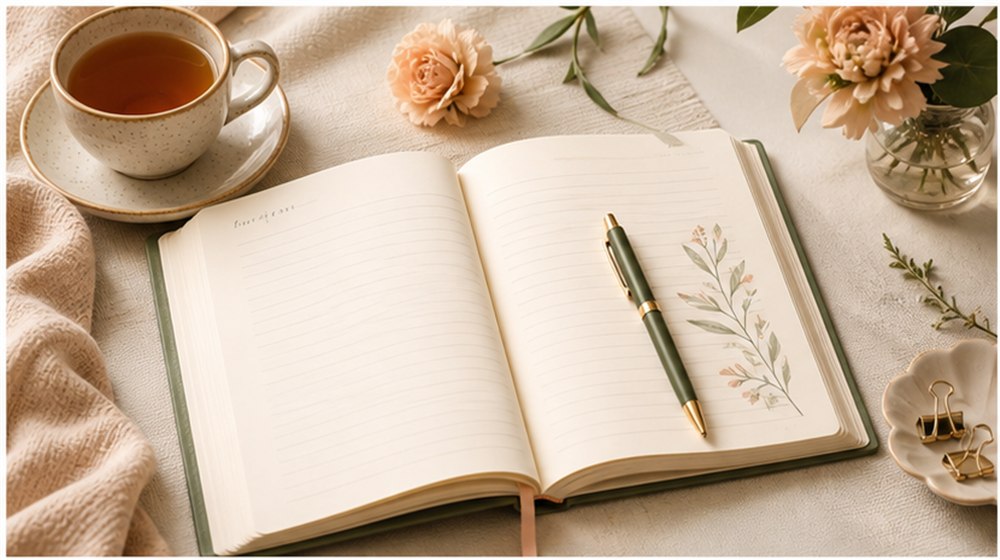
- Clear your planning space. A clean desk or table, your planner, a pen you actually like.
- Check fixed appointments. Anything already locked into the week — meetings, pickups, deadlines.
- Choose three priorities. Not a ten-item list. Three things that would make the week feel worthwhile.
- Make a simple meal outline. Doesn't need to be a full menu — just enough to skip the daily "what's for dinner" scramble.
- Schedule one restorative activity. Something just for you, written down like it matters — because it does.
- Calendar and deadlines
- Three weekly priorities
- Meals and groceries
- Home reset
- Rest and connection
Leave Breathing Room
Here's the part most planning advice skips: only plan around 60 to 70 percent of your available time. That remaining margin isn't wasted space — it's what absorbs the inevitable delay, the tired evening, the unplanned opportunity you couldn't have scheduled in advance. A week planned to 100% capacity isn't a well-planned week; it's a week with no room to be human.
Make the Ritual Feel Like Yours
A Sunday reset page doesn't have to be purely functional. A soft color palette, a small sticker to mark the week's mood, a favorite pen — these details are what turn a weekly chore into something you look forward to. For many creative planners, that little bit of visual pleasure is what actually makes the habit stick past the first few weeks.
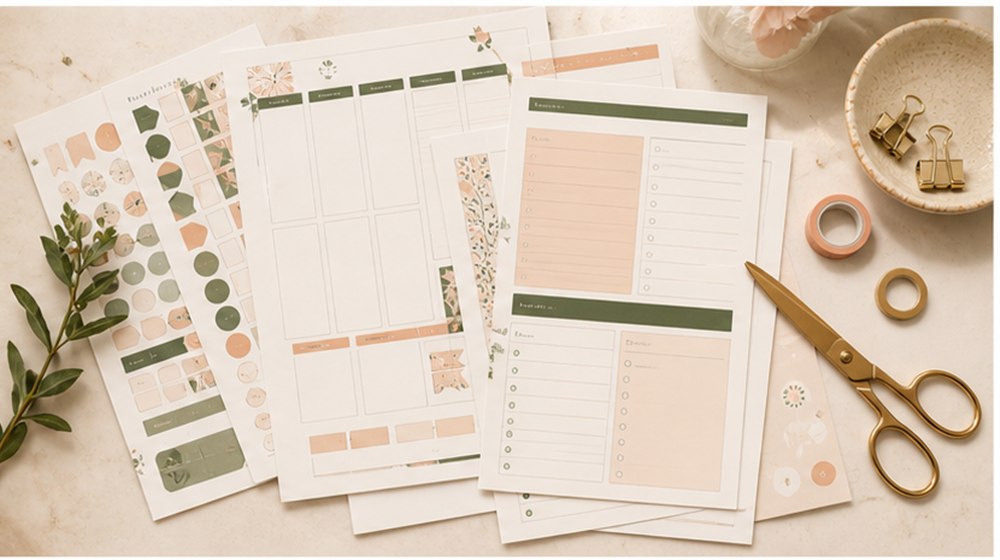 12 Free Printable Planner Ideas for a Calmer Week
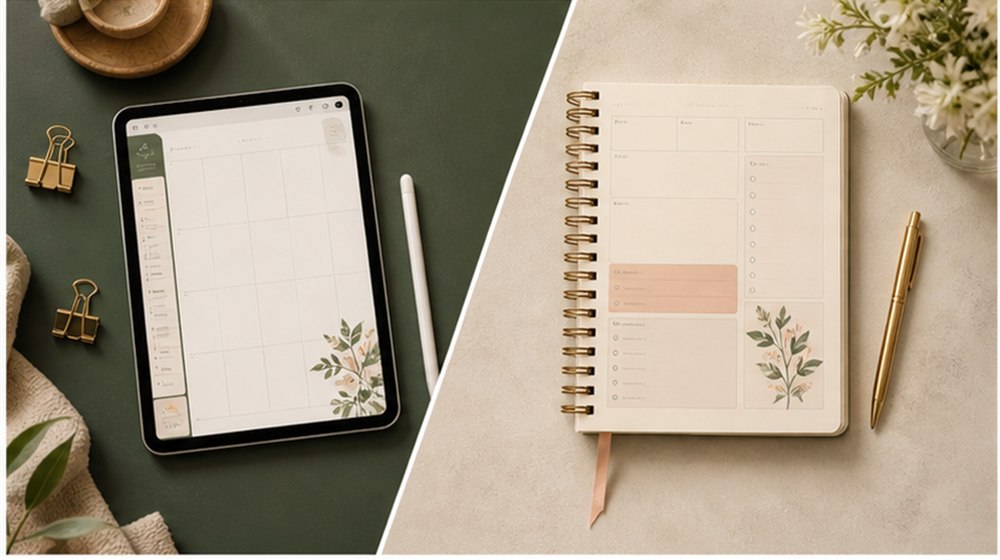 Digital Planner vs Paper Planner: Which One Fits You?